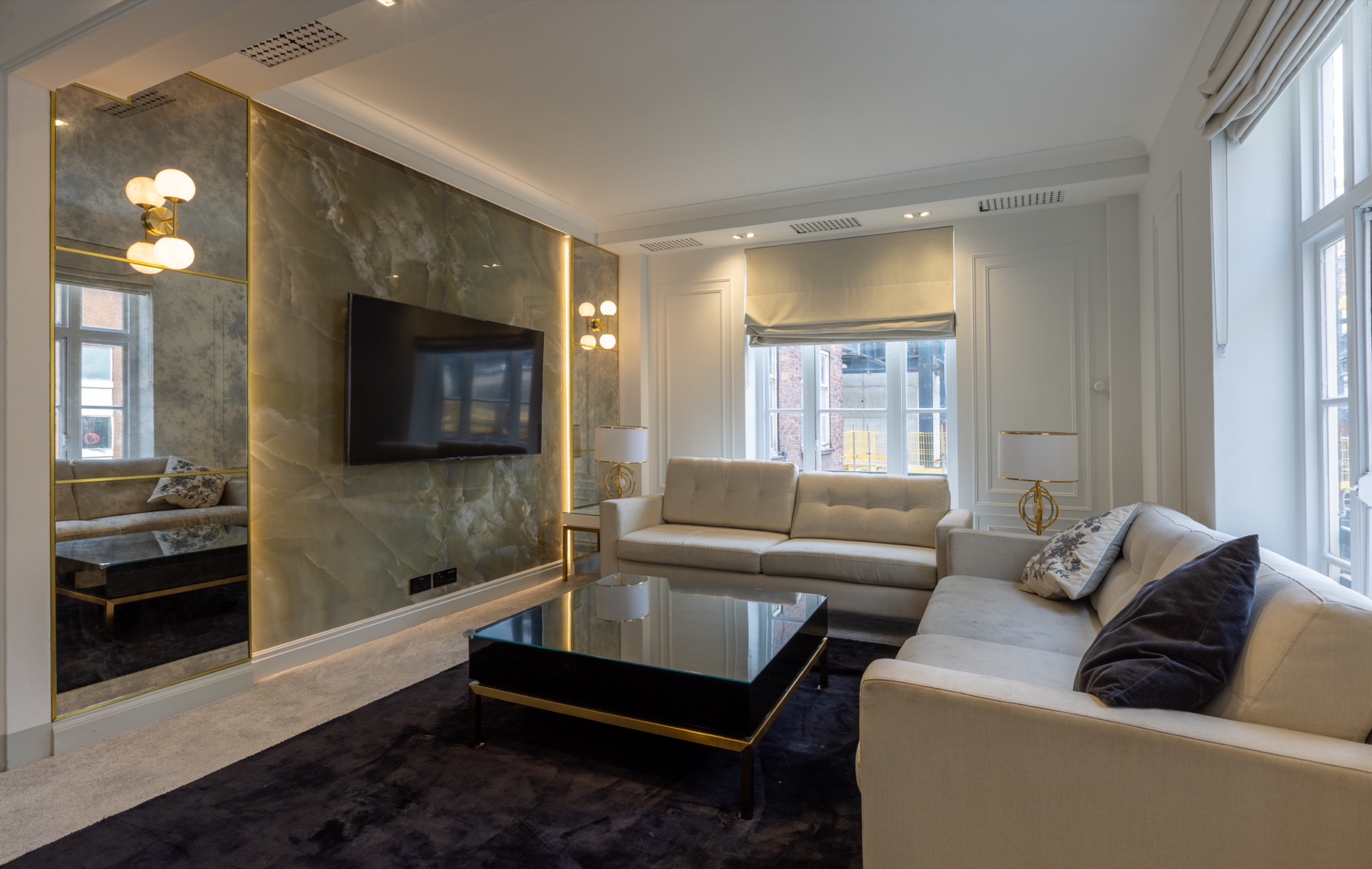
Smartphone cameras have come a long way. So why do professional property photographs still outperform them? The answer lies in what happens after the shutter clicks.
Modern smartphones can capture impressive images in good conditions. But Property Photography in London rarely offers ideal conditions. You're dealing with mixed lighting, bright windows against dark interiors, and spaces that need to feel inviting rather than ordinary. This is where the technical differences between a professional property photographer and a smartphone become impossible to ignore.
The Numbers: Why Quality Matters
Before diving into the technical details, let's look at what the research tells us about the impact of photo quality on property marketing.
According to Matterport's industry research, listings with high-quality photographs receive 118% more online views compared to those with lower-quality images. Properties with better images sell 32% faster, and aerial shots can enhance sales by up to 68%.
The National Association of Realtors reports that 85% of buyers consider photos the most critical factor when evaluating a property online. With 100% of buyers now beginning their search online, your photographs are your first viewing.
Perhaps most striking: research from PhotoUp shows that listings with professionally edited photos achieve 47% higher asking prices per square foot. Homes can sell for up to 13% more when professional property photography is used. To maximise those results, it helps to know how to prepare your property for the best results before the photographer arrives.
Sensor Size: The Foundation of Image Quality
The most fundamental difference between a professional camera and a smartphone is sensor size. A full-frame camera sensor, like the one in a Canon R5, is approximately 30 times larger than an iPhone sensor.
Why does this matter? A larger sensor captures significantly more light and data. This translates directly into:
- Greater dynamic range - the ability to capture detail in both bright windows and shadowy corners simultaneously
- Less digital noise - cleaner images, especially in challenging lighting
- More editing flexibility - crucial for Property Photography where post-processing is essential
- True depth of field control - the ability to create that premium, intentional look
A smartphone sensor simply cannot capture the same amount of information. It's physics, not preference.
RAW Files vs Compressed Images
Professional photographers always shoot in RAW format. A RAW file contains all the data captured by the sensor, completely unprocessed and uncompressed. This gives enormous flexibility in post-production.
Smartphone images, by contrast, are heavily processed and compressed the moment they're captured. The phone's software makes decisions about colour, contrast, and exposure that are baked into the final image. While this can produce pleasant results in straightforward conditions, it severely limits what can be done in editing.
Here's the critical difference: when you try to push a smartphone image in editing, whether brightening shadows, recovering highlights, or adjusting colour balance, the image quickly breaks down. You'll see banding, noise, and colour artefacts. A RAW file from a professional camera can be pushed dramatically while maintaining smooth gradients and clean detail.
In Property Photography, editing isn't optional. Every image needs adjustment to balance the exposure between interior spaces and window views, to ensure colours are accurate, and to make the space feel as inviting as it does in person. RAW files make this possible. Compressed smartphone images make it difficult or impossible.
The "Look Twice" Factor
A smartphone captures an image almost exactly as your eye sees it. That sounds like a good thing, but consider what it means: the photo looks ordinary. It looks like every other photo taken of every other room. There's nothing special about it.
Professional cameras, combined with professional technique, create images that make you look twice. They achieve this through:
Depth of field control: A professional camera with a quality lens can blur the background while keeping the subject sharp. This bokeh effect creates a sense of depth and draws the eye to what matters. Smartphones attempt to simulate this with software, but the results rarely match optical blur.
True HDR capture: Professional cameras capture a wider range of light in a single exposure, or through bracketed exposures that are blended in post. This means you can see the view through the window and the detail in the room simultaneously, without the blown-out highlights or crushed shadows that plague smartphone images in high-contrast scenes.
Colour science and accuracy: Professional cameras are designed to capture accurate, nuanced colour that can be refined in editing. Smartphone processing often oversaturates or makes colour decisions that can't be undone.
The result is imagery that feels premium, intentional, and distinctive. When buyers are scrolling through dozens of listings, these are the images that make them stop.
The Industry Reality
Despite the clear benefits, research shows that only 35% of estate agents employ professional photographers. Of those who do use estate agent photography services, only 15% use truly high-quality photography.
Even more surprising: industry statistics reveal that half of properties valued over £1 million use poor-quality photographs. For premium properties where marketing should be exceptional, the standard often falls short.
This represents a significant opportunity. When most listings feature mediocre imagery, those with professional Property Photography in London stand out dramatically. The data supports this: 72% of estate agents believe high-quality photography is key to winning more instructions.
When Does It Matter Most?
To be fair, there are situations where a well-lit smartphone photo might suffice. A bright, modern apartment with neutral decor on a sunny day might photograph acceptably on a phone.
But Property Photography rarely offers ideal conditions. You'll encounter:
- Mixed lighting - tungsten, fluorescent, and natural light competing in the same frame
- High contrast scenes - bright windows against darker interiors
- Small or awkward spaces - requiring wide-angle lenses and careful composition
- Period properties - where subtle detail and character need to be captured
- Evening or winter shoots - where available light is limited
These are precisely the conditions where professional equipment and expertise make the difference between images that sell and images that don't. And when combined with property videography and professional floor plans, your listing becomes truly comprehensive. If you're considering adding video to your marketing, our article on how property videos help sell houses faster breaks down the research behind it.
The Bottom Line
Can a smartphone take a decent property photo? Sometimes. Can it consistently produce images that maximise your property's appeal and generate more interest from buyers? The evidence says no.
Professional Property Photography isn't about having expensive equipment. It's about capturing enough data to create images that stand out, that make buyers stop scrolling, and that present your property in its best possible light.
With listings receiving 118% more views and selling 32% faster when professionally photographed, the question isn't whether professional photography makes a difference. It's whether you can afford to compete without it.
Ready to see the difference professional Property Photography in London makes? Explore our photography services, view our pricing, or book your shoot online.