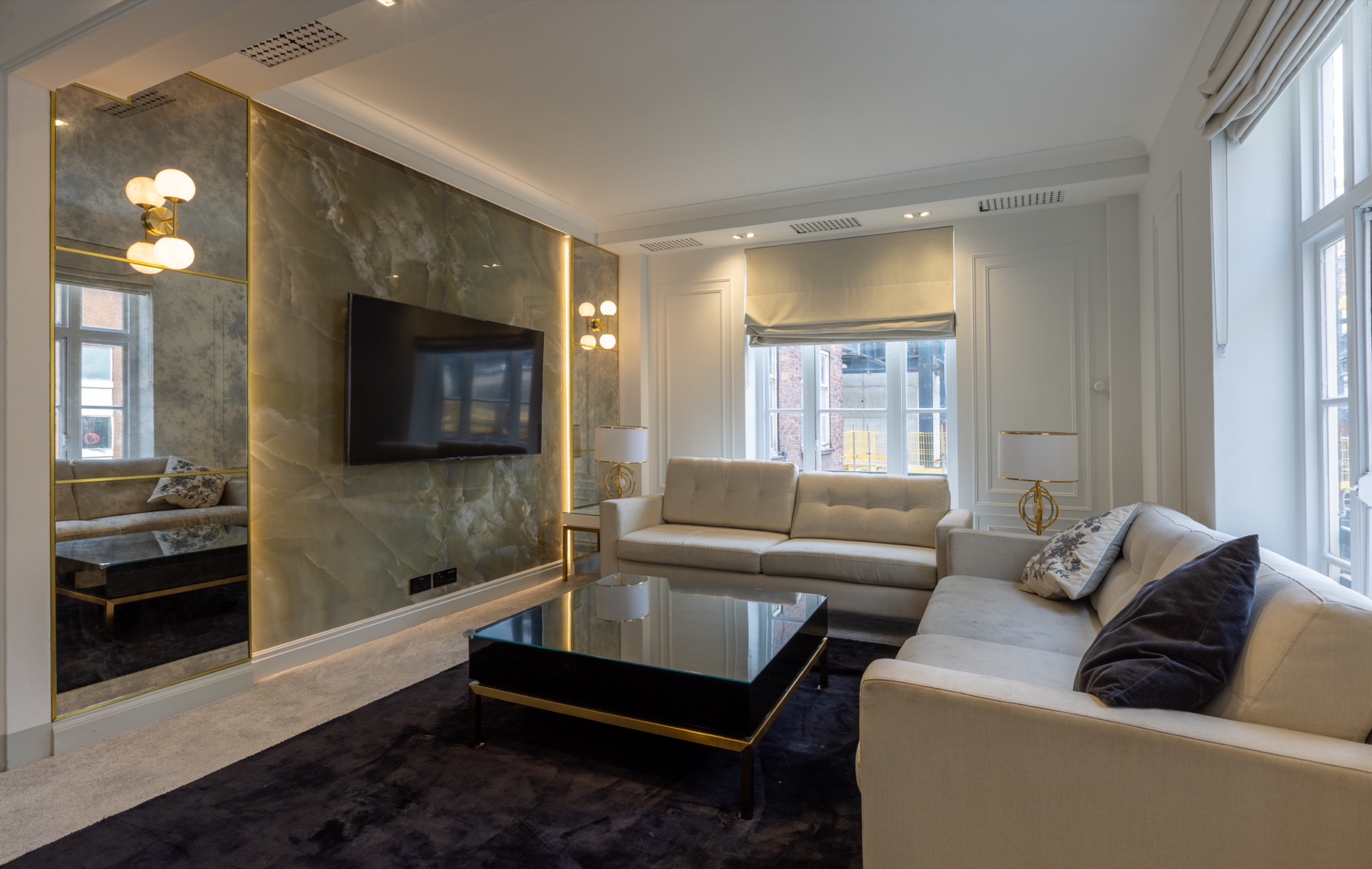
Not all property photographers are created equal. Choosing the wrong one can cost you viewings, longer time on market, and potentially thousands in lost value. Here's what the industry doesn't always tell you.
With listings featuring professional photography receiving 118% more online views and selling up to 32% faster, the quality of your property images directly impacts your bottom line. But how do you distinguish a skilled property photographer from someone who simply owns a camera and a wide-angle lens?
Why This Decision Matters More Than You Think
Here's something most people don't realise: 11-12% of all enquiries on a listing arrive in the first hour it goes live. Over a third come within the first seven days. Rightmove's own data shows that listings receive the most views in their first two weeks online.
This means your photographs need to be right before you publish. There's no "we'll update them later" in property marketing. If your images are mediocre when the listing goes live, you've already lost your best window for generating interest.
Yet despite this, research shows that only 35% of estate agents use professional photographers, and of those, only 15% use truly high-quality photography. Even more surprising: half of properties valued over £1 million use poor-quality photographs.
What Different Price Points Actually Get You
Property photography in London typically ranges from £100 to £550+ depending on the provider and property size. We researched several London property photographers to show you what the market actually looks like—including delivery times, hidden fees, and guarantees:
London Property Photography: Price Comparison
| Provider | Studio/1-Bed | 2-3 Beds | 4+ Beds | Delivery |
|---|---|---|---|---|
| Photoplan Shop | £149 10 images |
£399 20 images |
£599+ 40-50 images |
Not stated (+travel fees) |
| Houses & Properties | £179 15 images |
£281 22 images |
£378-£545 25-28 images |
Same day/24hr |
| Alessandro Pietrosanti | £119 10 images, 45 min |
£199 25 images |
£299 35 images |
3-5 days (+£49 express) |
| Splento | £198 2hr minimum |
£198 2hr minimum |
£297+ 3+ hours |
24-48 hours |
| Yasmeen Creative | £125 10 images, 60 min |
£175 20 images |
£250 40+ images |
48 hours (no express fee) |
What the table doesn't show:
- Satisfaction guarantee: We offer a fee waiver for first-time customers—if you're not happy with your media, you don't pay. Most competitors don't offer this.
- No hidden costs: Our prices include travel anywhere in Greater London, 48-hour delivery, and professional editing. No surprise fees.
- Bundle savings: Add a floor plan or property video and save up to £126 compared to booking separately.
The real comparison: For a 4+ bedroom property, competitors charge £299-£599+ for 25-50 images. Our packages deliver 40+ images within 48 hours for £250—with a satisfaction guarantee and no travel fees. That's up to £349 saved that could fund your floor plan or property video.
The cheapest option isn't always bad value—for a straightforward two-bedroom flat in good condition, 15 well-executed images may be plenty. But for a period property with character features, or a home where you need to capture garden, views, and multiple reception rooms, cutting corners on photography is false economy. Regardless of your budget, knowing how to prepare your property for the best results will help you get maximum value from every shoot.
How to Spot Manipulated or Misleading Photos
Before we discuss what to look for in a photographer, you need to understand what to avoid. Some photographers use techniques that make properties look impressive in photos but lead to disappointed buyers at viewings.
Signs of excessive wide-angle distortion:
- Circular objects (light fittings, tables) that appear oval-shaped
- Furniture with lines that aren't parallel
- Garage doors or driveways that appear curved
- Rooms that look dramatically different at the edges versus the centre of the frame
Signs of problematic editing:
- Unnaturally bright or dramatic skies
- Sky lighting that doesn't match the shadows on the building
- Extreme HDR effects that make interiors look artificial
- Virtual staging where furniture appears to float or has incorrect shadows
The industry consensus is clear: no intentional cropping or airbrushing of fixed items. A common mistake among inexperienced editors is replacing an overcast sky but creating mismatched shadows, or over-widening a room until doorways look distorted—signs that cross the line from enhancement into misrepresentation.
A good photographer makes a property look its best. A problematic one makes it look like something it isn't.
The Legal Line: What UK Law Says
Property photography in the UK is governed by the Consumer Protection from Unfair Trading Regulations 2008 (CPRs), which prohibit misleading commercial practices. These have been strengthened by the Digital Markets, Competition and Consumers Act 2024, which came fully into force in April 2025 and gives the CMA direct enforcement powers with penalties of up to 10% of global turnover.
The key legal distinction is between:
- Fixed items (walls, windows, structural features, neighbouring buildings, construction materials) – legally protected and shouldn't be edited out or hidden through selective cropping
- Non-fixed items (cars, skips, temporary clutter) – can be removed, but even this carries risk if done poorly
The National Trading Standards Estate and Letting Agency Team (NTSELAT) has issued Material Information guidance that specifically addresses photography. It states that images shouldn't be used "to avoid disclosing detail of Materials Used that will knowingly impact a buyer."
What does this mean practically? A photographer who offers to "digitally remove that neighbouring extension" or "crop out the building site" is offering to break the law. Penalties under the CPRs can include fines and up to two years' imprisonment. Walk away.
Reviewing a Portfolio: What to Actually Look For
A photographer's portfolio tells you everything—if you know how to read it. Here's what separates professional work from amateur snaps. (You can browse our property photography portfolio to see these principles in practice.)
1. Straight verticals. This is the fastest way to spot an amateur. Look at walls, door frames, and window edges—they should be perfectly upright. If walls appear to lean inward or outward, they're using a wide-angle lens without correcting the perspective. It's the single most common mistake in Property Photography.
2. Window exposure. Can you see both the room AND the view outside? Amateur photographers either blow out the windows (pure white) or underexpose the interior (dark and grainy). Professional work shows crisp interiors with visible gardens, sky, or streetscape through the windows. This requires proper technique—either multiple exposures blended together or flash combined with natural light.
3. Colour accuracy. Look at white walls, ceilings, and bedding. Do they look white? Or are they tinted orange near lamps, blue near windows, or muddy yellow throughout? Mixed lighting is common in homes, but a professional knows how to correct it so colours look natural.
4. Reflections. Check mirrors, shower screens, oven doors, and windows. Can you see the photographer, their tripod, or flash equipment? A professional either angles themselves out of reflective surfaces or removes themselves in editing.
5. Composition style. There's a difference between "inventory" photography and "editorial" photography. Inventory shots are taken from the corner of every room, camera pointing at three walls—they prove the room exists, but they're boring. Editorial shots use straight-on angles, varied heights, and detail close-ups that sell the lifestyle. Look for variety in angles, not just corner-to-corner documentation.
6. Ask for a full gallery. Don't just look at their "best of" highlights. Request a complete delivered set from one property. Anyone can get lucky with one great shot. You need to know they can deliver 15-20 consistent images. Check: is the sky the same blue in the front photo as the back? Is the editing style consistent throughout?
7. Property diversity. A portfolio of only empty, modern new-builds tells you nothing about how they handle occupied Victorian terraces with challenging lighting. London's housing stock is diverse—your photographer should demonstrate they can handle that diversity. For a deeper look at what separates professional results from phone snapshots, see our professional photography vs smartphone comparison.
Questions to Ask (And What Good Answers Sound Like)
Don't just ask questions—know what the answers should be.
"What lens do you typically use for interiors?"
- Good answer: "A 16-35mm or similar wide-angle, depending on the room size"
- Red flag: "Whatever's on my camera" or excessive reliance on ultra-wide (10-12mm) lenses
"How do you handle rooms with bright windows?"
- Good answer: "Bracketed exposures," "flash blending," "flambient," or "window pulls"
- Red flag: "I just expose for the room" (means blown-out windows)
"Do you use flash or just ambient light?"
- Good answer: "Flash combined with ambient" or "flambient technique"—this produces the most natural-looking results
- Acceptable: "HDR bracketing"—faster but can look artificial if overdone
- Red flag: "Just the ceiling lights"—expect harsh shadows and colour casts
"What's your turnaround time?"
- Good answer: "24-48 hours standard, same-day available if needed"
- Red flag: "About a week" (you'll miss your critical first-hour window)
"What editing do you do?"
- Good answer: "Colour correction, exposure balancing, vertical straightening, lens distortion correction"
- Red flag: "I can remove anything you don't like" (see legal section above)
After You Receive the Photos: What to Check
Don't just glance at the images and approve them. Before they go live:
- Check verticals are straight – walls shouldn't lean inward or outward
- Verify colours look natural – wood tones, wall colours, and any fabric should look true to life
- Confirm window exposure – can you see both the room AND the view?
- Look for editing errors – unnatural sky colours, cloned patterns in grass or carpet, warped door frames at image edges
- Compare to reality – do the rooms look roughly the size they actually are?
If something looks off, ask for it to be corrected before the listing goes live. It's much harder to fix once buyers have already formed an impression.
The Bottom Line
Choosing a property photographer isn't just about finding someone who can point a camera at a room. It's about finding a professional who:
- Understands the legal boundaries of what can and can't be edited
- Delivers quickly enough to catch your critical first-hour window
- Creates images that impress online but don't disappoint at viewings
- Communicates clearly and works reliably to your timescales
The right photographer becomes a valuable partner in your property marketing. The wrong one costs you time, money, and potentially sales. Take the time to evaluate your options properly—the investment will pay dividends.
Looking for a property photographer in London? View our photography services, check our transparent pricing, or book your shoot online. We're happy to answer any questions before you commit.